By The Flooring Centre Technical Team
How flooring selection shapes indoor air quality — a technical guide for households navigating asthma, dust mite sensitivity, and respiratory health.
More than 4.6 million Australians live with asthma, and a significantly larger proportion manage some form of allergic respiratory condition. For these households, the flooring beneath their feet is not merely an aesthetic decision — it is an environmental variable with direct clinical relevance. The right flooring specification, combined with appropriate maintenance protocols, can meaningfully reduce the allergen load in the indoor environment. The wrong choice, conversely, can undermine every other measure taken to manage air quality.
The topic is more nuanced than the headline advice often suggests. “Hard flooring is better for allergies” is a common claim — but it is an oversimplification, and one that ignores the specific mechanisms by which different flooring types interact with allergen distribution. A technically informed approach will deliver far better outcomes than a blanket rule.
Indoor Air Quality and the Role of Flooring: The Basics
The indoor air quality (IAQ) of a home is shaped by a combination of factors: ventilation, humidity, material off-gassing, and the capacity of surfaces to harbour, trap, or release particulates and biological allergens. Flooring, which covers the entire horizontal plane of every room, contributes to all of these dynamics.
The key allergen categories relevant to flooring selection are:
Dust mites (Dermatophagoides pteronyssinus and farinae): Microscopic arachnids that thrive in warm, humid environments and feed on shed human skin cells. Their faecal particles are among the most potent inhaled allergens known. They live preferentially in fibrous, warm materials — carpet pile, mattresses, soft furnishings.
Pet dander: Microscopic skin flakes shed by animals. Like dust mite particles, dander is light enough to become airborne when disturbed and can remain suspended in air for extended periods.
Mould spores: Produced when mould colonies form in humid conditions, particularly in flooring materials and underlays that retain moisture. Spores are highly allergenic and in some species potentially toxic.
VOCs (Volatile Organic Compounds): Chemical off-gassing from flooring materials, adhesives, and underlays, including formaldehyde, benzene, and other compounds that irritate respiratory airways.
A flooring decision affects all four of these variables simultaneously.
VOC Emissions: What E1 Means and Why It Matters
The formaldehyde emission classification most commonly referenced in Australian flooring specifications is the E1 rating, which establishes a maximum formaldehyde emission level of ≤0.1mg/m³ as measured by chamber testing under standard conditions. This threshold is aligned with European CARB2 standards and is the accepted benchmark for interior-grade wood-based products in residential use.
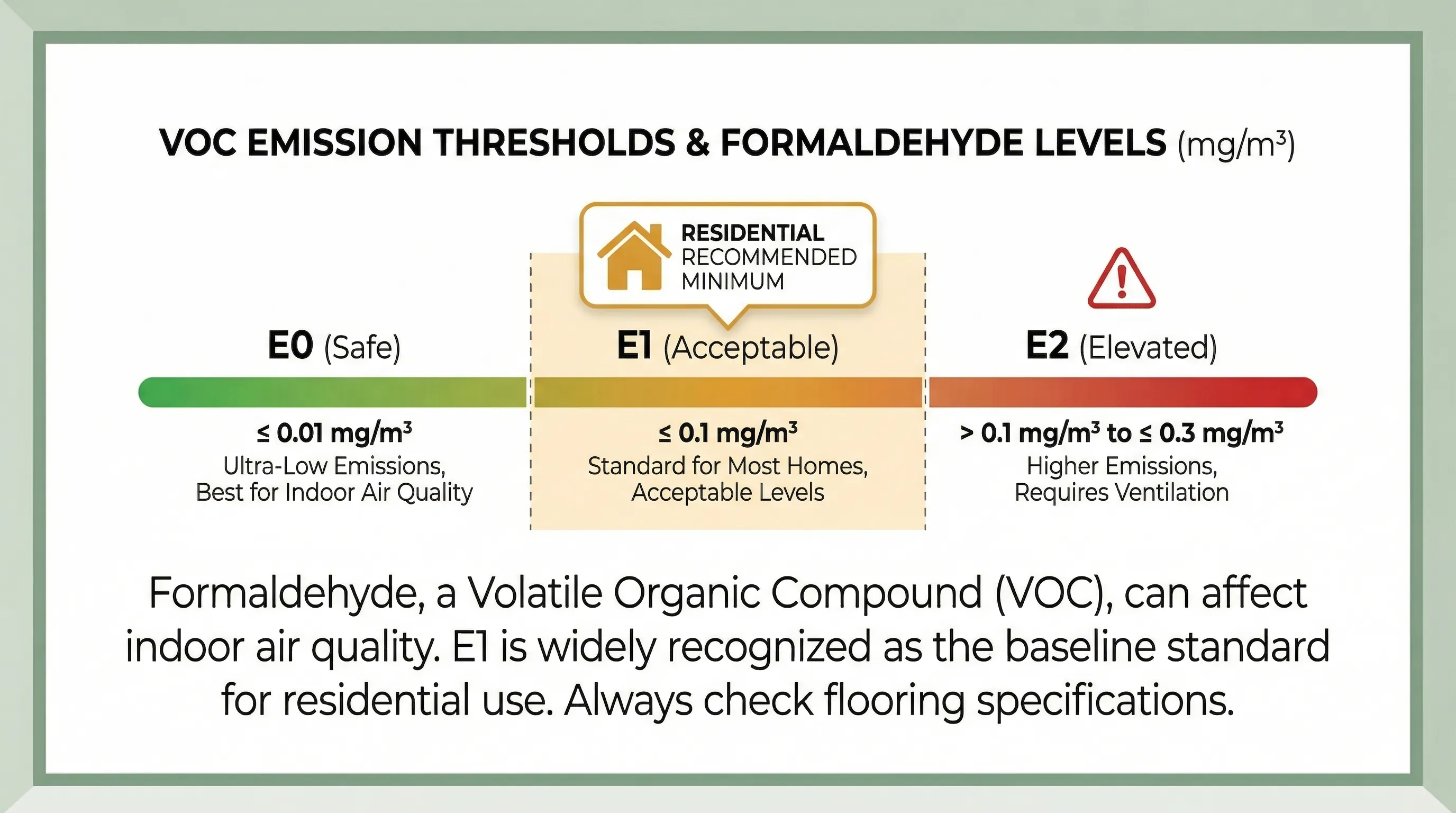
Formaldehyde is a recognised human carcinogen at high concentrations and a significant respiratory irritant even at lower levels. In an airtight, well-insulated modern home — the norm in new Australian construction — VOC accumulation can reach levels that would be impossible in an older, draughtier dwelling. The choice of flooring products, adhesives, and underlays with verified low VOC emissions is therefore not a superficial specification preference. It is a meaningful contribution to respiratory health.
When specifying timber or engineered hardwood flooring for an allergy-sensitive household, confirm:
- E1 or better formaldehyde rating for all board materials (core, substrate, face veneer bonding)
- Low-VOC adhesive for direct-stick installations (look for products certified to EMICODE EC1+ or equivalent)
- Formaldehyde-free finish coating — most quality UV lacquer and UV oil products now specify this, but it should be confirmed with the manufacturer
The CIAL Environmental Certification Scheme — the same body that administers the Australian Carpet Classification Scheme — provides third-party environmental certification for carpet and underlay products, covering VOC emissions, noise reduction, and thermal insulation properties. A product carrying CIAL environmental certification has been independently tested against these criteria, which is a meaningful assurance for allergy-sensitive purchasers.
Hard Flooring and Allergens: The Surface Advantage
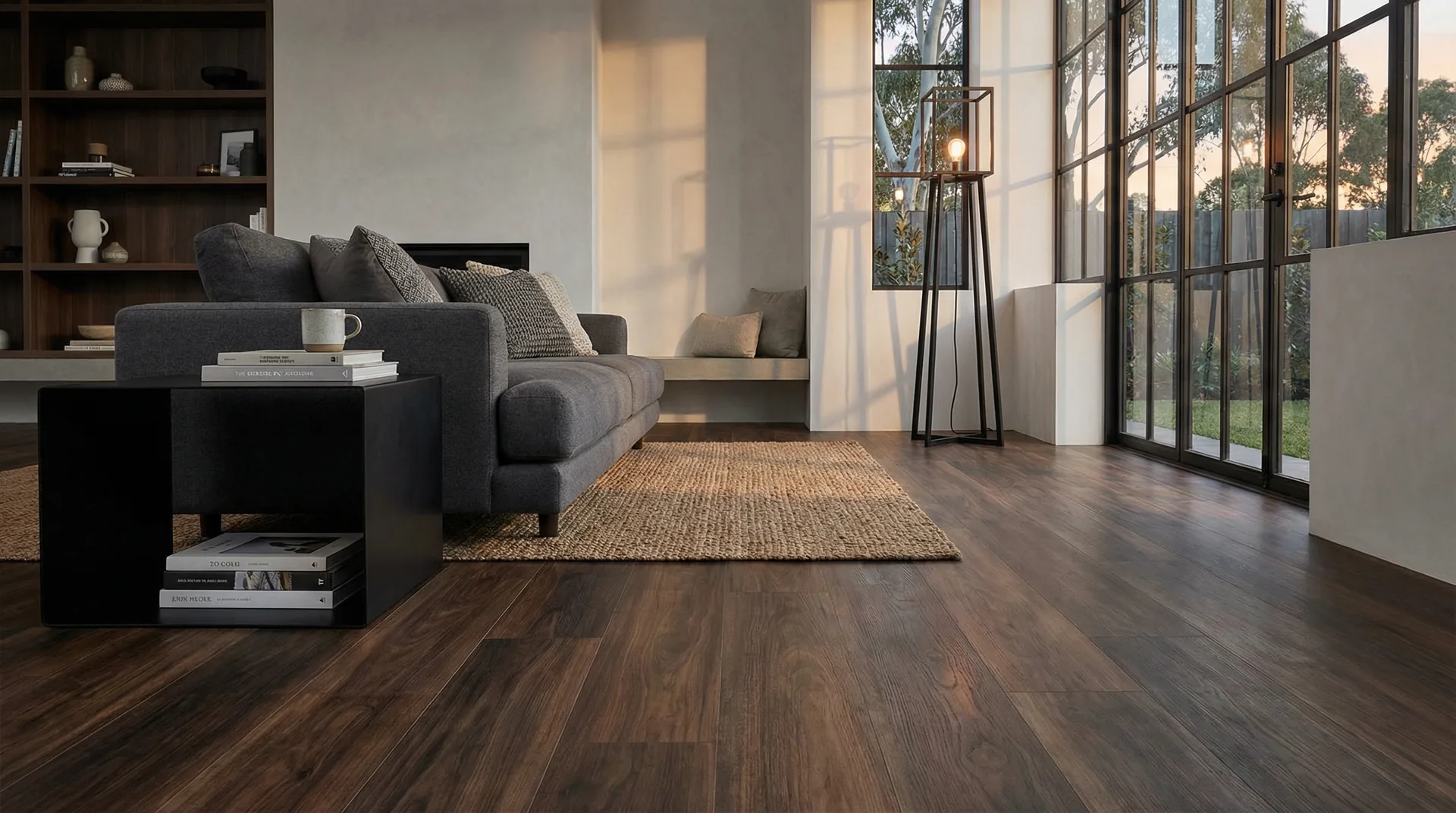
The most straightforward argument for hard flooring in allergy-sensitive homes is that allergens on a smooth, hard surface are visible and physically accessible. Dust, dander, pollen, and other particulates settle on the surface of timber, laminate, hybrid or tile flooring and remain there — where they can be removed with regular vacuuming or damp-wiping before they become airborne again.
There is no fibre matrix to harbour allergens in the depths of the pile, no mechanism for dust mites to establish resident colonies at scale, and no material microenvironment that supports mould growth under normal conditions.
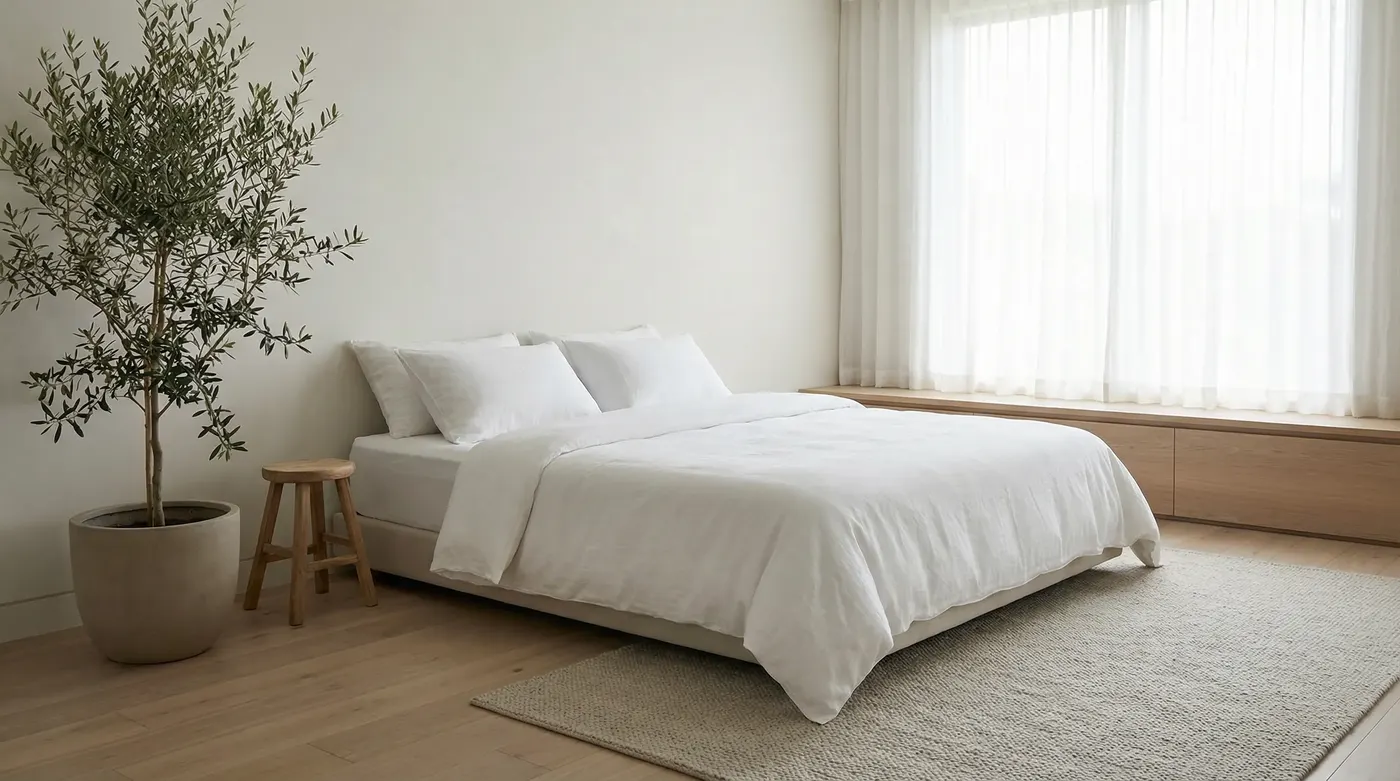
For households with asthma or rhinitis, this characteristic is clinically significant. The Australasian Society of Clinical Immunology and Allergy (ASCIA) and Asthma Australia both identify minimising soft furnishings and fibrous surfaces in sleeping areas as a key environmental management strategy for dust mite-sensitive individuals.
Surface Hygiene on Hard Flooring
For hard flooring to deliver its theoretical IAQ advantage, a disciplined cleaning protocol is essential:
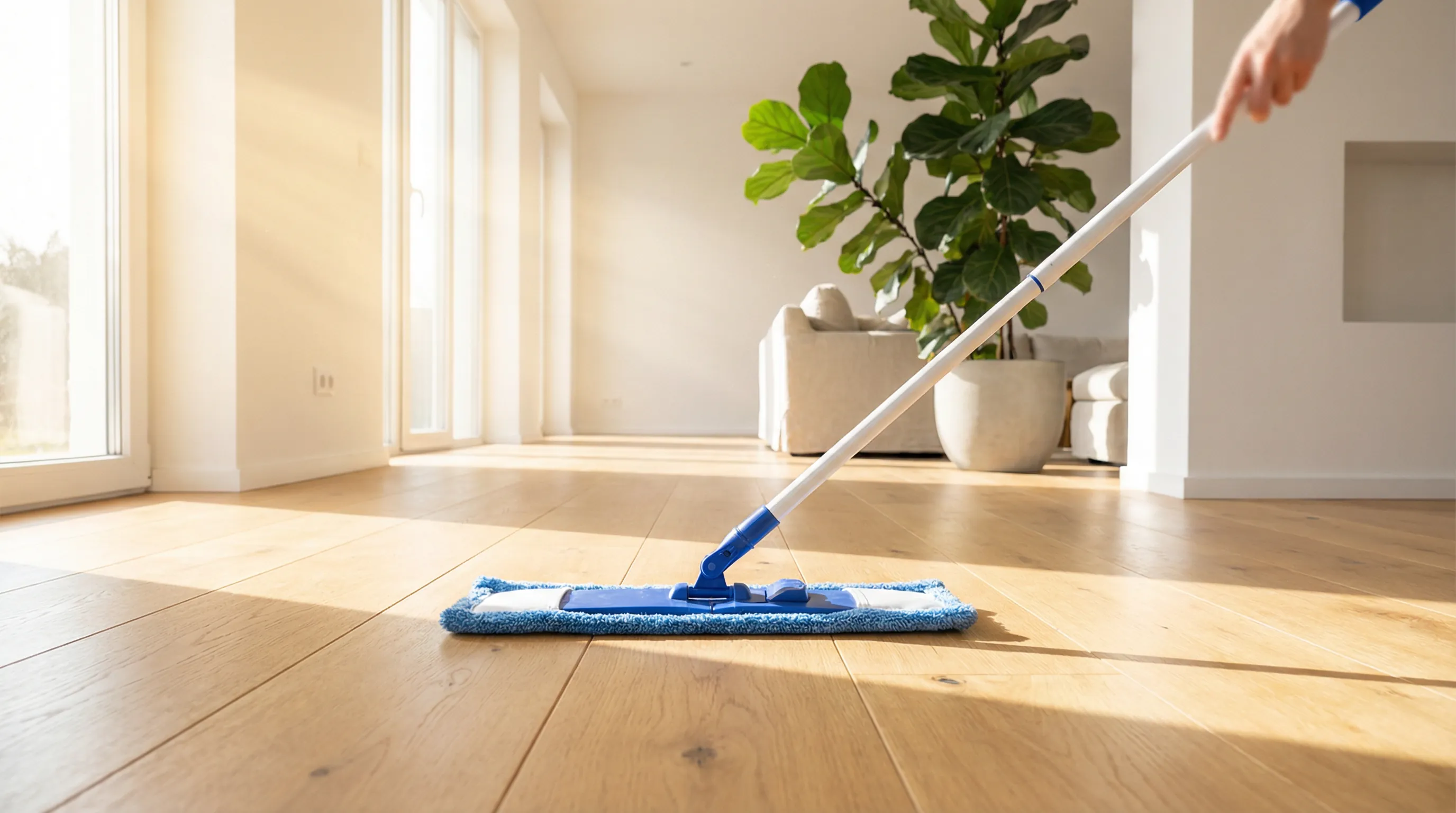
Daily or near-daily damp mopping: Dry sweeping and dry vacuuming can re-aerosolise settled particles. Damp mopping removes allergens from the surface and prevents them re-entering the breathing zone.
pH-neutral hard floor cleaners: Harsh chemical cleaners can leave residues that are themselves respiratory irritants. Use flooring-specific, low-VOC cleaners.
Microfibre mop systems: Microfibre is superior to cotton for capturing fine particulate matter — the fibres create electrostatic attraction to dust rather than simply pushing it around.
Carpet and Allergens: The More Complex Relationship
The role of carpet in allergy management is genuinely more complicated than the simple “carpet is bad for allergies” narrative suggests. The reality depends substantially on the pile type, fibre, and — critically — the maintenance regime.
Carpet as an Allergen Sink
Research referenced in Asthma Australia guidelines acknowledges that carpet pile can act as an allergen reservoir — trapping dust mite particles, dander, and pollen within the fibre matrix and holding them there rather than allowing them to remain on the surface and become repeatedly airborne. In a home where vacuuming is performed regularly and correctly, this trapping function actually represents an advantage: allergens are sequestered in the pile until extracted, rather than circulating freely in the breathing zone.
The key qualifier is “vacuuming performed correctly.” This requires:
- A vacuum cleaner fitted with a HEPA (High-Efficiency Particulate Air) filtration system — a critical specification for allergy households. A standard vacuum without HEPA filtration extracts allergen-laden particles from the carpet and re-expels them in the exhaust air, achieving no net reduction in airborne allergen load.
- Motorised rotating brush head to agitate pile and extract embedded particles (used in conjunction with understanding your particular carpet pile construction and care instructions so as to not damage your carpet)
- Vacuuming frequency of at least 3 times per week in rooms with regular occupation
Where the carpet-as-sink model fails is when vacuuming is infrequent or inadequate. In this scenario, the pile accumulates allergens without releasing them during cleaning, and the reservoir effect becomes a liability. The carpet becomes a long-term allergen source that is released in high concentrations whenever the pile is disturbed — by foot traffic, by children playing, by the family dog.
The Case for Wool Carpet in Allergy Households
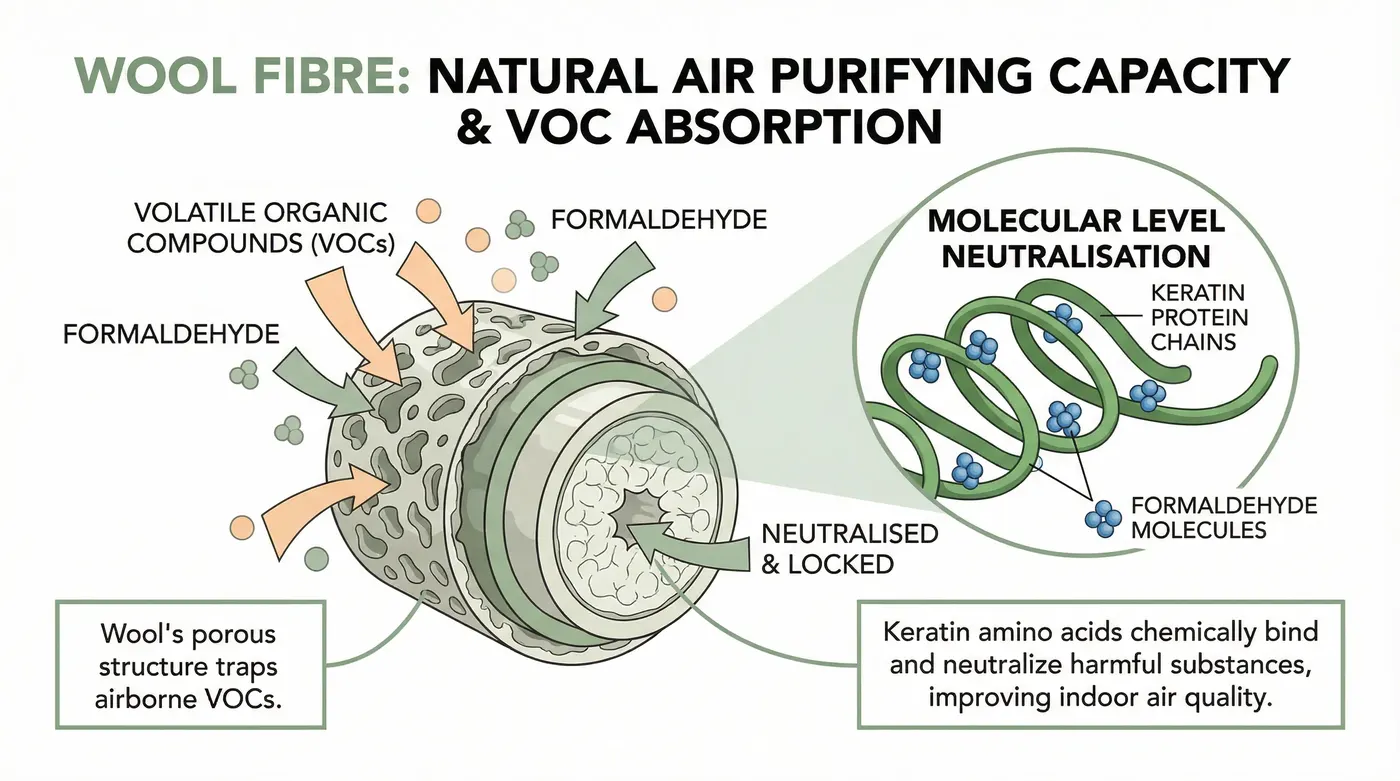
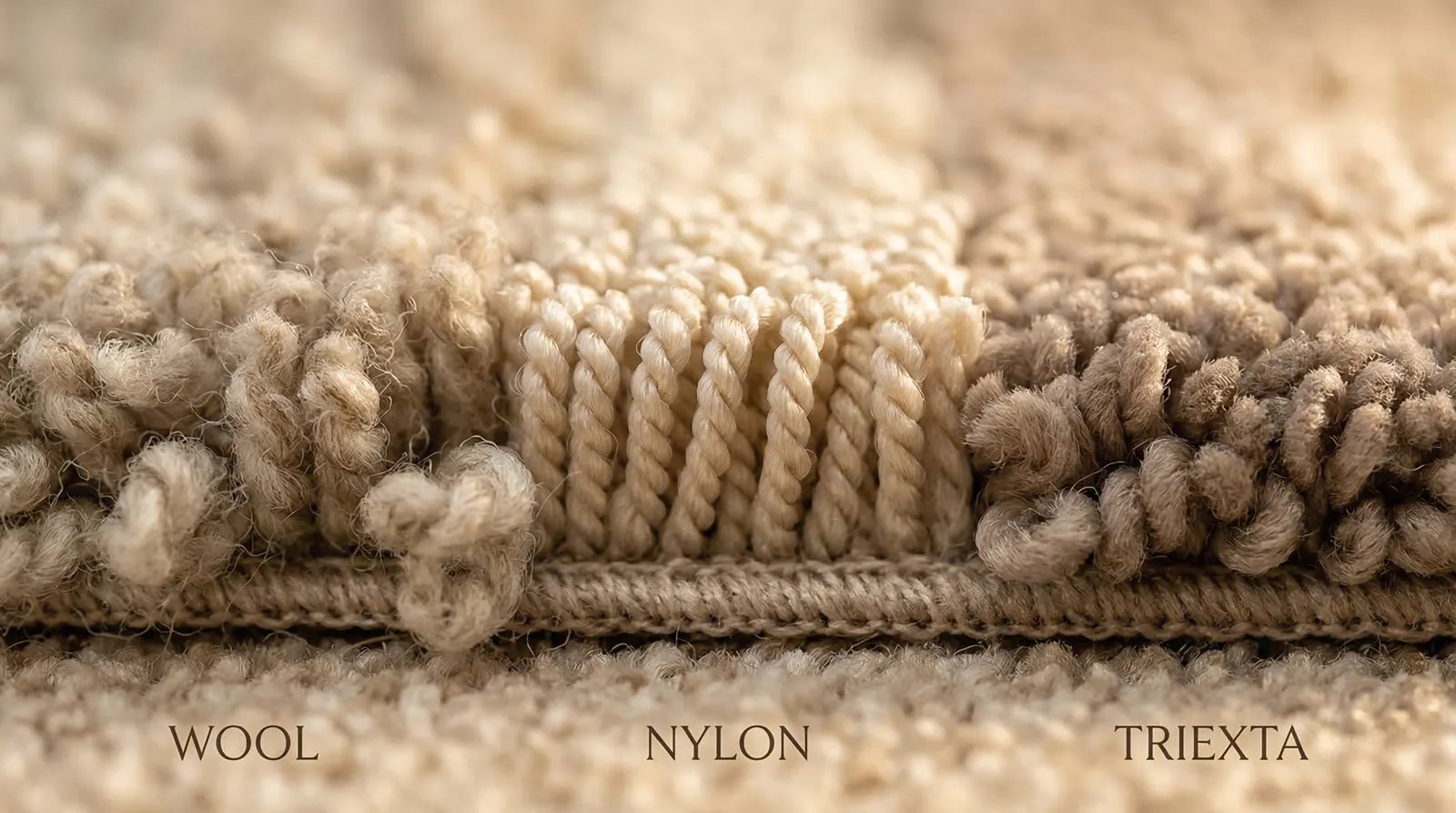
Wool carpet occupies an unusual and often underappreciated position in the allergy discussion. Multiple studies referenced by Wools of New Zealand demonstrate that wool fibre possesses a structural capacity to absorb certain VOCs — including formaldehyde — from the indoor air environment. The keratin protein structure of wool can bind formaldehyde and other polar organic molecules, effectively acting as a passive air purifying medium.
This is not a marginal effect. In controlled chamber studies, wool carpet has been shown to absorb formaldehyde at levels that meaningfully reduce ambient air concentration. In a home with new cabinetry, fresh paint, or other VOC-emitting materials, a wool carpet installation can actually contribute to improved IAQ rather than compromising it.
Additionally, wool’s natural moisture-wicking properties — it can absorb up to 30% of its own weight in moisture vapour without feeling damp — contribute to humidity buffering in the room. Maintaining relative humidity within the 45–65% RH range recommended for flooring stability is also, not coincidentally, the range that suppresses dust mite reproduction most effectively. Below 45% RH, dust mite populations decline. Above 65%, they proliferate and mould risk increases.
Wool carpet should be specified in allergy households with the following caveats:
- Vacuum regularly with HEPA filtration
- Professionally steam-clean every 12–18 months
Underlay Selection for Allergy Households
The underlay beneath a carpet installation is frequently overlooked in allergy discussions.
Foam underlay (polyurethane): The most common residential specification. Good acoustic and thermal performance. However, open-cell foam structures can absorb and retain moisture in humid environments, providing a substrate for mould colonisation beneath the carpet surface — invisible and difficult to remediate. For allergy households in humid climates (coastal Queensland, Darwin, summer conditions in Melbourne), foam underlay in poorly ventilated or ground-level rooms carries mould risk. Quality foam underlay with an integrated moisture-resistant barrier layer built into the top of the underlay can assist in keeping the underlay performing properly. /* PURELAY POSTPONED - REINSTATE MAY 2026: Original text referenced PureLay and PureProtect by name */
Humidity Control: The Foundational Variable
The single most impactful environmental control measure for allergy-sensitive households — regardless of flooring type — is maintaining relative humidity between 45% and 65% RH. This range is the Goldilocks zone for flooring longevity, and it is also the range that:
- Suppresses dust mite reproduction (mites cannot survive or reproduce below approximately 45% RH)
- Prevents mould growth in flooring and underlay materials (mould requires sustained humidity above 65–70% RH to establish)
- Protects timber and engineered hardwood from damaging moisture-related movement
In Melbourne’s climate — with humid summers and cool, dry-heated winters — maintaining this range requires active management:
- In winter: An ultrasonic humidifier to introduce moisture into heated, drying indoor air
- In summer: Mechanical ventilation or dehumidification during extended humid periods
A plug-in hygrometer (humidity monitor) in each primary living and sleeping area provides the feedback needed to manage this effectively. For households with allergy sufferers, this is one of the most cost-effective investments available.
Selecting Certified Products
For allergy-sensitive purchasers, the following certifications provide meaningful assurance:
- A minimum of an E1 formaldehyde rating (flooring products)
- CIAL Environmental Certification (carpet products)
- EMICODE EC1 or EC1+ (adhesives and installation products — very low VOC emissions)
Reputable manufacturers provide this documentation as a standard part of their product specification package.
The Integrated Approach
No single flooring choice will solve an allergy management challenge in isolation. The most effective approach is integrated: selecting flooring with the lowest possible VOC emissions, specifying hard surfaces in the most critical rooms (particularly bedrooms), maintaining a HEPA-filtered vacuuming protocol where carpet is retained, controlling indoor humidity with active monitoring, and ensuring the cleaning products used are themselves low in respiratory irritants.
The flooring selection is the foundation of this strategy — literally and figuratively. Getting it right from the outset is considerably easier than attempting to remediate a poor choice after installation.
The Flooring Centre works with clients navigating allergy and asthma conditions regularly, and our consultants can provide detailed technical data sheets, VOC certification documentation, and CIAL environmental certification status for every product in our range. Visit our Nunawading or Hawthorn showrooms to discuss your specific requirements and to see our certified low-emission range in person.
Published by The Flooring Centre — Melbourne's premium carpet and flooring superstores. Visit our Nunawading and Hawthorn showrooms.